How the brain pays attention

Picking out a face in the crowd is a complicated task: Your brain has to retrieve the memory of the face you’re seeking, then hold it in place while scanning the crowd, paying special attention to finding a match.

A new study by MIT neuroscientists reveals how the brain achieves this type of focused attention on faces or other objects: A part of the prefrontal cortex known as the inferior frontal junction (IFJ) controls visual processing areas that are tuned to recognize a specific category of objects, the researchers report in the April 10 online edition of Science.

Scientists know much less about this type of attention, known as object-based attention, than spatial attention, which involves focusing on what’s happening in a particular location. However, the new findings suggest that these two types of attention have similar mechanisms involving related brain regions, says Robert Desimone, the Doris and Don Berkey Professor of Neuroscience, director of MIT’s McGovern Institute for Brain Research, and senior author of the paper.

“The interactions are surprisingly similar to those seen in spatial attention,” Desimone says. “It seems like it’s a parallel process involving different areas.”

In both cases, the prefrontal cortex — the control center for most cognitive functions — appears to take charge of the brain’s attention and control relevant parts of the visual cortex, which receives sensory input. For spatial attention, that involves regions of the visual cortex that map to a particular area within the visual field.

In the new study, the researchers found that IFJ coordinates with a brain region that processes faces, known as the fusiform face area (FFA), and a region that interprets information about places, known as the parahippocampal place area (PPA). The FFA and PPA were first identified in the human cortex by Nancy Kanwisher, the Walter A. Rosenblith Professor of Cognitive Neuroscience at MIT.

The IFJ has previously been implicated in a cognitive ability known as working memory, which is what allows us to gather and coordinate information while performing a task — such as remembering and dialing a phone number, or doing a math problem.

For this study, the researchers used magnetoencephalography (MEG) to scan human subjects as they viewed a series of overlapping images of faces and houses. Unlike functional magnetic resonance imaging (fMRI), which is commonly used to measure brain activity, MEG can reveal the precise timing of neural activity, down to the millisecond. The researchers presented the overlapping streams at two different rhythms — two images per second and 1.5 images per second — allowing them to identify brain regions responding to those stimuli.

“We wanted to frequency-tag each stimulus with different rhythms. When you look at all of the brain activity, you can tell apart signals that are engaged in processing each stimulus,” says Daniel Baldauf, a postdoc at the McGovern Institute and the lead author of the paper.

Each subject was told to pay attention to either faces or houses; because the houses and faces were in the same spot, the brain could not use spatial information to distinguish them. When the subjects were told to look for faces, activity in the FFA and the IFJ became synchronized, suggesting that they were communicating with each other. When the subjects paid attention to houses, the IFJ synchronized instead with the PPA.

The researchers also found that the communication was initiated by the IFJ and the activity was staggered by 20 milliseconds — about the amount of time it would take for neurons to electrically convey information from the IFJ to either the FFA or PPA. The researchers believe that the IFJ holds onto the idea of the object that the brain is looking for and directs the correct part of the brain to look for it.
Further bolstering this idea, the researchers used an MRI-based method to measure the white matter that connects different brain regions and found that the IFJ is highly connected with both the FFA and PPA.

Members of Desimone’s lab are now studying how the brain shifts its focus between different types of sensory input, such as vision and hearing. They are also investigating whether it might be possible to train people to better focus their attention by controlling the brain interactions  involved in this process.

“You have to identify the basic neural mechanisms and do basic research studies, which sometimes generate ideas for things that could be of practical benefit,” Desimone says. “It’s too early to say whether this training is even going to work at all, but it’s something that we’re actively pursuing.”

The research was funded by the National Institutes of Health and the National Science Foundation.

Optogenetic toolkit goes multicolor

Optogenetics is a technique that allows scientists to control neurons’ electrical activity with light by engineering them to express light-sensitive proteins. Within the past decade, it has become a very powerful tool for discovering the functions of different types of cells in the brain.

Most of these light-sensitive proteins, known as opsins, respond to light in the blue-green range. Now, a team led by MIT has discovered an opsin that is sensitive to red light, which allows researchers to independently control the activity of two populations of neurons at once, enabling much more complex studies of brain function.

“If you want to see how two different sets of cells interact, or how two populations of the same cell compete against each other, you need to be able to activate those populations independently,” says Ed Boyden, a member of the McGovern Institute for Brain Research at MIT and a senior author of the new study.

The new opsin is one of about 60 light-sensitive proteins found in a screen of 120 species of algae. The study, which appears in the Feb. 9 online edition of Nature Methods, also yielded the fastest opsin, enabling researchers to study neuron activity patterns with millisecond timescale precision.

Boyden and Gane Ka-Shu Wong, a professor of medicine and biological sciences at the University of Alberta, are the paper’s senior authors, and the lead author is MIT postdoc Nathan Klapoetke. Researchers from the Howard Hughes Medical Institute’s Janelia Farm Research Campus, the University of Pennsylvania, the University of Cologne, and the Beijing Genomics Institute also contributed to the study.

In living color

Opsins occur naturally in many algae and bacteria, which use the light-sensitive proteins to help them respond to their environment and generate energy.

To achieve optical control of neurons, scientists engineer brain cells to express the gene for an opsin, which transports ions across the cell’s membrane to alter its voltage. Depending on the opsin used, shining light on the cell either lowers the voltage and silences neuron firing, or boosts voltage and provokes the cell to generate an electrical impulse. This effect is nearly instantaneous and easily reversible.

Using this approach, researchers can selectively turn a population of cells on or off and observe what happens in the brain. However, until now, they could activate only one population at a time, because the only opsins that responded to red light also responded to blue light, so they couldn’t be paired with other opsins to control two different cell populations.

To seek additional useful opsins, the MIT researchers worked with Wong’s team at the University of Alberta, which is sequencing the transcriptomes of 1,000 plants, including some algae. (The transcriptome is similar to the genome but includes only the genes that are expressed by a cell, not the entirety of its genetic material.)

Once the team obtained genetic sequences that appeared to code for opsins, Klapoetke tested their light-responsiveness in mammalian brain tissue, working with Martha Constantine-Paton, a professor of brain and cognitive sciences and of biology, a member of the McGovern Institute for Brain Research at MIT, and also an author of the paper. The red-light-sensitive opsin, which the researchers named Chrimson, can mediate neural activity in response to light with a 735-nanometer
wavelength.

The researchers also discovered a blue-light-driven opsin that has two highly desirable traits: It operates at high speed, and it is sensitive to very dim light. This opsin, called Chronos, can be stimulated with levels of blue light that are too weak to activate Chrimson.

“You can use short pulses of dim blue light to drive the blue one, and you can use strong red light to drive Chrimson, and that allows you to do true two-color, zero-cross-talk activation in intact brain tissue,” says Boyden, who is a member of MIT’s Media Lab and an associate professor of biological engineering and brain and cognitive sciences at MIT.

Researchers had previously tried to modify naturally occurring opsins to make them respond faster and react to dimmer light, but trying to optimize one feature often made other features worse.

“It was apparent that when trying to engineer traits like color, light sensitivity, and kinetics, there are always tradeoffs,” Klapoetke says. “We’re very lucky that something natural actually was more than several times faster and also five or six times more light-sensitive than anything else.”

Selective control

These new opsins lend themselves to several types of studies that were not possible before, Boyden says. For one, scientists could not only manipulate activity of a cell population of interest, but also control upstream cells that influence the target population by secreting neurotransmitters.

Pairing Chrimson and Chronos could also allow scientists to study the functions of different types of cells in the same microcircuit within the brain. Such cells are usually located very close together, but with the new opsins they can be controlled independently with two different colors of light.

“I think the tools described in this excellent paper represent a major advance for both basic and translational neuroscience,” says Botond Roska, a senior group leader at the Friedrich Miescher Institute for Biomedical Research in Switzerland, who was not part of the research team. “Optogenetic tools that are shifted towards the infrared range, such as Chrimson described in this paper, are much better than the more blue-shifted variants since these are less toxic, activate less the pupillary reflex, and activate less the remaining photoreceptors of patients.”

Most optogenetic studies thus far have been done in mice, but Chrimson could be used for optogenetic studies of fruit flies, a commonly used experimental organism. Researchers have had trouble using blue-light-sensitive opsins in fruit flies because the light can get into the flies’ eyes and startle them, interfering with the behavior being studied.

Vivek Jayaraman, a research group leader at Janelia Farms and an author of the paper, was able to show that this startle response does not occur when red light is used to stimulate Chrimson in fruit flies.

Because red light is less damaging to tissue than blue light, Chrimson also holds potential for eventual therapeutic use in humans, Boyden says. Animal studies with other opsins have shown promise in helping to restore vision after the loss of photoreceptor cells in the retina.

The researchers are now trying to modify Chrimson to respond to light in the infrared range. They are also working on making both Chrimson and Chronos faster and more light sensitive.

MIT’s portion of the project was funded by the National Institutes of Health, the MIT Media Lab, the National Science Foundation, the Wallace H. Coulter Foundation, the Alfred P. Sloan Foundation, a NARSAD Young Investigator Grant, the Human Frontiers Science Program, an NYSCF Robertson Neuroscience Investigator Award, the IET A.F. Harvey Prize, Janet and Sheldon Razin ’59, and the Skolkovo Institute of Science and Technology.

Expanding our view of vision

Every time you open your eyes, visual information flows into your brain, which interprets what you’re seeing. Now, for the first time, MIT neuroscientists have noninvasively mapped this flow of information in the human brain with unique accuracy, using a novel brain-scanning technique.

This technique, which combines two existing technologies, allows researchers to identify precisely both the location and timing of human brain activity. Using this new approach, the MIT researchers scanned individuals’ brains as they looked at different images and were able to pinpoint, to the millisecond, when the brain recognizes and categorizes an object, and where these processes occur.

“This method gives you a visualization of ‘when’ and ‘where’ at the same time. It’s a window into processes happening at the millisecond and millimeter scale,” says Aude Oliva, a principal research scientist in MIT’s Computer Science and Artificial Intelligence Laboratory (CSAIL).

Oliva is the senior author of a paper describing the findings in the Jan. 26 issue of Nature Neuroscience. Lead author of the paper is CSAIL postdoc Radoslaw Cichy. Dimitrios Pantazis, a research scientist at MIT’s McGovern Institute for Brain Research, is also an author of the paper.

When and where

Until now, scientists have been able to observe the location or timing of human brain activity at high resolution, but not both, because different imaging techniques are not easily combined. The most commonly used type of brain scan, functional magnetic resonance imaging (fMRI), measures changes in blood flow, revealing which parts of the brain are involved in a particular task. However, it works too slowly to keep up with the brain’s millisecond-by-millisecond dynamics.

Another imaging technique, known as magnetoencephalography (MEG), uses an array of hundreds of sensors encircling the head to measure magnetic fields produced by neuronal activity in the brain. These sensors offer a dynamic portrait of brain activity over time, down to the millisecond, but do not tell the precise location of the signals.

To combine the time and location information generated by these two scanners, the researchers used a computational technique called representational similarity analysis, which relies on the fact that two similar objects (such as two human faces) that provoke similar signals in fMRI will also produce similar signals in MEG. This method has been used before to link fMRI with recordings of neuronal electrical activity in monkeys, but the MIT researchers are the first to use it to link fMRI and MEG data from human subjects.

In the study, the researchers scanned 16 human volunteers as they looked at a series of 92 images, including faces, animals, and natural and manmade objects. Each image was shown for half a second.

“We wanted to measure how visual information flows through the brain. It’s just pure automatic machinery that starts every time you open your eyes, and it’s incredibly fast,” Cichy says. “This is a very complex process, and we have not yet looked at higher cognitive processes that come later, such as recalling thoughts and memories when you are watching objects.”

Each subject underwent the test multiple times — twice in an fMRI scanner and twice in an MEG scanner — giving the researchers a huge set of data on the timing and location of brain activity. All of the scanning was done at the Athinoula A. Martinos Imaging Center at the McGovern Institute.

Millisecond by millisecond

By analyzing this data, the researchers produced a timeline of the brain’s object-recognition pathway that is very similar to results previously obtained by recording electrical signals in the visual cortex of monkeys, a technique that is extremely accurate but too invasive to use in humans.

About 50 milliseconds after subjects saw an image, visual information entered a part of the brain called the primary visual cortex, or V1, which recognizes basic elements of a shape, such as whether it is round or elongated. The information then flowed to the inferotemporal cortex, where the brain identified the object as early as 120 milliseconds. Within 160 milliseconds, all objects had been classified into categories such as plant or animal.

The MIT team’s strategy “provides a rich new source of evidence on this highly dynamic process,” says Nikolaus Kriegeskorte, a principal investigator in cognition and brain sciences at Cambridge University.

“The combination of MEG and fMRI in humans is no surrogate for invasive animal studies with techniques that simultaneously have high spatial and temporal precision, but Cichy et al. come closer to characterizing the dynamic emergence of representational geometries across stages of processing in humans than any previous work. The approach will be useful for future studies elucidating other perceptual and cognitive processes,” says Kriegeskorte, who was not part of the research team.

The MIT researchers are now using representational similarity analysis to study the accuracy of computer models of vision by comparing brain scan data with the models’ predictions of how vision works.

Using this approach, scientists should also be able to study how the human brain analyzes other types of information such as motor, verbal, or sensory signals, the researchers say. It could also shed light on processes that underlie conditions such as memory disorders or dyslexia, and could benefit patients suffering from paralysis or neurodegenerative diseases.

“This is the first time that MEG and fMRI have been connected in this way, giving us a unique perspective,” Pantazis says. “We now have the tools to precisely map brain function both in space and time, opening up tremendous possibilities to study the human brain.”

The research was funded by the National Eye Institute, the National Science Foundation, and a Feodor Lynen Research Fellowship from the Humboldt Foundation.

Brain balances learning new skills, retaining old skills

To learn new motor skills, the brain must be plastic: able to rapidly change the strengths of connections between neurons, forming new patterns that accomplish a particular task. However, if the brain were too plastic, previously learned skills would be lost too easily.

A new computational model developed by MIT neuroscientists explains how the brain maintains the balance between plasticity and stability, and how it can learn very similar tasks without interference between them.

The key, the researchers say, is that neurons are constantly changing their connections with other neurons. However, not all of the changes are functionally relevant — they simply allow the brain to explore many possible ways to execute a certain skill, such as a new tennis stroke.

“Your brain is always trying to find the configurations that balance everything so you can do two tasks, or three tasks, or however many you’re learning,” says Robert Ajemian, a research scientist in MIT’s McGovern Institute for Brain Research and lead author of a paper describing the findings in the Proceedings of the National Academy of Sciences the week of Dec. 9. “There are many ways to solve a task, and you’re exploring all the different ways.”

As the brain explores different solutions, neurons can become specialized for specific tasks, according to this theory.

Noisy circuits

As the brain learns a new motor skill, neurons form circuits that can produce the desired output — a command that will activate the body’s muscles to perform a task such as swinging a tennis racket. Perfection is usually not achieved on the first try, so feedback from each effort helps the brain to find better solutions.

This works well for learning one skill, but complications arise when the brain is trying to learn many different skills at once. Because the same distributed network controls related motor tasks, new modifications to existing patterns can interfere with previously learned skills.

“This is particularly tricky when you’re learning very similar things,” such as two different tennis strokes, says Institute Professor Emilio Bizzi, the paper’s senior author and a member of the McGovern Institute.

The Bizzi lab shows how the brain utilizes the operating characteristics of neurons to form sensorimotor memories in a way that differs profoundly from computer memory.

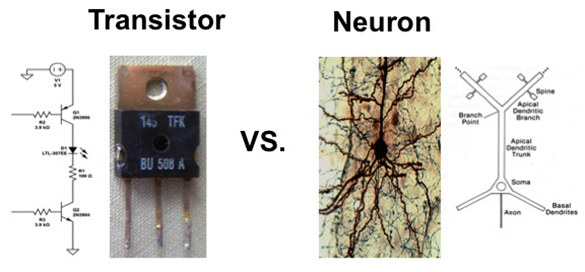
In a serial network such as a computer chip, this would be no problem — instructions for each task would be stored in a different location on the chip. However, the brain is not organized like a computer chip. Instead, it is massively parallel and highly connected — each neuron connects to, on average, about 10,000 other neurons.

That connectivity offers an advantage, however, because it allows the brain to test out so many possible solutions to achieve combinations of tasks. The constant changes in these connections, which the researchers call hyperplasticity, is balanced by another inherent trait of neurons — they have a very low signal to noise ratio, meaning that they receive about as much useless information as useful input from their neighbors.

Most models of neural activity don’t include noise, but the MIT team says noise is a critical element of the brain’s learning ability. “Most people don’t want to deal with noise because it’s a nuisance,” Ajemian says. “We set out to try to determine if noise can be used in a beneficial way, and we found that it allows the brain to explore many solutions, but it can only be utilized if the network is hyperplastic.”

This model helps to explain how the brain can learn new things without unlearning previously acquired skills, says Ferdinando Mussa-Ivaldi, a professor of physiology at Northwestern University.

“What the paper shows is that, counterintuitively, if you have neural networks and they have a high level of random noise, that actually helps instead of hindering the stability problem,” says Mussa-Ivaldi, who was not part of the research team.

Without noise, the brain’s hyperplasticity would overwrite existing memories too easily. Conversely, low plasticity would not allow any new skills to be learned, because the tiny changes in connectivity would be drowned out by all of the inherent noise.

The model is supported by anatomical evidence showing that neurons exhibit a great deal of plasticity even when learning is not taking place, as measured by the growth and formation of connections of dendrites — the tiny extensions that neurons use to communicate with each other.

Like riding a bike

The constantly changing connections explain why skills can be forgotten unless they are practiced often, especially if they overlap with other routinely performed tasks.

“That’s why an expert tennis player has to warm up for an hour before a match,” Ajemian says. The warm-up is not for their muscles, instead, the players need to recalibrate the neural networks that control different tennis strokes that are stored in the brain’s motor cortex.

However, skills such as riding a bicycle, which is not very similar to other common skills, are retained more easily. “Once you’ve learned something, if it doesn’t overlap or intersect with other skills, you will forget it but so slowly that it’s essentially permanent,” Ajemian says.

The researchers are now investigating whether this type of model could also explain how the brain forms memories of events, as well as motor skills.

The research was funded by the National Science Foundation.

Are we there yet?

“Are we there yet?”

As anyone who has traveled with young children knows, maintaining focus on distant goals can be a challenge. A new study from MIT suggests how the brain achieves this task, and indicates that the neurotransmitter dopamine may signal the value of long-term rewards. The findings may also explain why patients with Parkinson’s disease — in which dopamine signaling is impaired — often have difficulty in sustaining motivation to finish tasks.

The work is described this week in the journal Nature.

Previous studies have linked dopamine to rewards, and have shown that dopamine neurons show brief bursts of activity when animals receive an unexpected reward. These dopamine signals are believed to be important for reinforcement learning, the process by which an animal learns to perform actions that lead to reward.

Taking the long view

In most studies, that reward has been delivered within a few seconds. In real life, though, gratification is not always immediate: Animals must often travel in search of food, and must maintain motivation for a distant goal while also responding to more immediate cues. The same is true for humans: A driver on a long road trip must remain focused on reaching a final destination while also reacting to traffic, stopping for snacks, and entertaining children in the back seat.

The MIT team, led by Institute Professor Ann Graybiel — who is also an investigator at MIT’s McGovern Institute for Brain Research — decided to study how dopamine changes during a maze task approximating work for delayed gratification. The researchers trained rats to navigate a maze to reach a reward. During each trial a rat would hear a tone instructing it to turn either right or left at an intersection to find a chocolate milk reward.

Rather than simply measuring the activity of dopamine-containing neurons, the MIT researchers wanted to measure how much dopamine was released in the striatum, a brain structure known to be important in reinforcement learning. They teamed up with Paul Phillips of the University of Washington, who has developed a technology called fast-scan cyclic voltammetry (FSCV) in which tiny, implanted, carbon-fiber electrodes allow continuous measurements of dopamine concentration based on its electrochemical fingerprint.

“We adapted the FSCV method so that we could measure dopamine at up to four different sites in the brain simultaneously, as animals moved freely through the maze,” explains first author Mark Howe, a former graduate student with Graybiel who is now a postdoc in the Department of Neurobiology at Northwestern University. “Each probe measures the concentration of extracellular dopamine within a tiny volume of brain tissue, and probably reflects the activity of thousands of nerve terminals.”

Gradual increase in dopamine

From previous work, the researchers expected that they might see pulses of dopamine released at different times in the trial, “but in fact we found something much more surprising,” Graybiel says: The level of dopamine increased steadily throughout each trial, peaking as the animal approached its goal — as if in anticipation of a reward.

The rats’ behavior varied from trial to trial — some runs were faster than others, and sometimes the animals would stop briefly — but the dopamine signal did not vary with running speed or trial duration. Nor did it depend on the probability of getting a reward, something that had been suggested by previous studies.

“Instead, the dopamine signal seems to reflect how far away the rat is from its goal,” Graybiel explains. “The closer it gets, the stronger the signal becomes.” The researchers also found that the size of the signal was related to the size of the expected reward: When rats were trained to anticipate a larger gulp of chocolate milk, the dopamine signal rose more steeply to a higher final concentration.

In some trials the T-shaped maze was extended to a more complex shape, requiring animals to run further and to make extra turns before reaching a reward. During these trials, the dopamine signal ramped up more gradually, eventually reaching the same level as in the shorter maze. “It’s as if the animal were adjusting its expectations, knowing that it had further to go,” Graybiel says.

The traces represent brain activity in rats as they navigate through different mazes to receive a chocolate milk reward.

An ‘internal guidance system’

“This means that dopamine levels could be used to help an animal make choices on the way to the goal and to estimate the distance to the goal,” says Terrence Sejnowski of the Salk Institute, a computational neuroscientist who is familiar with the findings but who was not involved with the study. “This ‘internal guidance system’ could also be useful for humans, who also have to make choices along the way to what may be a distant goal.”

One question that Graybiel hopes to examine in future research is how the signal arises within the brain. Rats and other animals form cognitive maps of their spatial environment, with so-called “place cells” that are active when the animal is in a specific location. “As our rats run the maze repeatedly,” she says, “we suspect they learn to associate each point in the maze with its distance from the reward that they experienced on previous runs.”

As for the relevance of this research to humans, Graybiel says, “I’d be shocked if something similar were not happening in our own brains.” It’s known that Parkinson’s patients, in whom dopamine signaling is impaired, often appear to be apathetic, and have difficulty in sustaining motivation to complete a long task. “Maybe that’s because they can’t produce this slow ramping dopamine signal,” Graybiel says.

Patrick Tierney at MIT and Stefan Sandberg at the University of Washington also contributed to the study, which was funded by the National Institutes of Health, the National Parkinson Foundation, the CHDI Foundation, the Sydney family and Mark Gorenberg.

Breaking habits before they start

Our daily routines can become so ingrained that we perform them automatically, such as taking the same route to work every day. Some behaviors, such as smoking or biting your fingernails, become so habitual that we can’t stop even if we want to.

Although breaking habits can be hard, MIT neuroscientists have now shown that they can prevent them from taking root in the first place, in rats learning to run a maze to earn a reward. The researchers first demonstrated that activity in two distinct brain regions is necessary in order for habits to crystallize. Then, they were able to block habits from forming by interfering with activity in one of the brain regions — the infralimbic (IL) cortex, which is located in the prefrontal cortex.

The MIT researchers, led by Institute Professor Ann Graybiel, used a technique called optogenetics to block activity in the IL cortex. This allowed them to control cells of the IL cortex using light. When the cells were turned off during every maze training run, the rats still learned to run the maze correctly, but when the reward was made to taste bad, they stopped, showing that a habit had not formed. If it had, they would keep going back by habit.

“It’s usually so difficult to break a habit,” Graybiel says. “It’s also difficult to have a habit not form when you get a reward for what you’re doing. But with this manipulation, it’s absolutely easy. You just turn the light on, and bingo.”

Graybiel, a member of MIT’s McGovern Institute for Brain Research, is the senior author of a paper describing the findings in the June 27 issue of the journal Neuron. Kyle Smith, a former MIT postdoc who is now an assistant professor at Dartmouth College, is the paper’s lead author.

Patterns of habitual behavior


Previous studies of how habits are formed and controlled have implicated the IL cortex as well as the striatum, a part of the brain related to addiction and repetitive behavioral problems, as well as normal functions such as decision-making, planning and response to reward. It is believed that the motor patterns needed to execute a habitual behavior are stored in the striatum and its circuits.

Recent studies from Graybiel’s lab have shown that disrupting activity in the IL cortex can block the expression of habits that have already been learned and stored in the striatum. Last year, Smith and Graybiel found that the IL cortex appears to decide which of two previously learned habits will be expressed.

“We have evidence that these two areas are important for habits, but they’re not connected at all, and no one has much of an idea of what the cells are doing as a habit is formed, as the habit is lost, and as a new habit takes over,” Smith says.

To investigate that, Smith recorded activity in cells of the IL cortex as rats learned to run a maze. He found activity patterns very similar to those that appear in the striatum during habit formation. Several years ago, Graybiel found that a distinctive “task-bracketing” pattern develops when habits are formed. This means that the cells are very active when the animal begins its run through the maze, are quiet during the run, and then fire up again when the task is finished.

This kind of pattern “chunks” habits into a large unit that the brain can simply turn on when the habitual behavior is triggered, without having to think about each individual action that goes into the habitual behavior.

The researchers found that this pattern took longer to appear in the IL cortex than in the striatum, and it was also less permanent. Unlike the pattern in the striatum, which remains stored even when a habit is broken, the IL cortex pattern appears and disappears as habits are formed and broken. This was the clue that the IL cortex, not the striatum, was tracking the development of the habit.


Multiple layers of control


The researchers’ ability to optogenetically block the formation of new habits suggests that the IL cortex not only exerts real-time control over habits and compulsions, but is also needed for habits to form in the first place.

“The previous idea was that the habits were stored in the sensorimotor system and this cortical area was just selecting the habit to be expressed. Now we think it’s a more fundamental contribution to habits, that the IL cortex is more actively making this happen,” Smith says.

This arrangement offers multiple layers of control over habitual behavior, which could be advantageous in reining in automatic behavior, Graybiel says. It is also possible that the IL cortex is contributing specific pieces of the habitual behavior, in addition to exerting control over whether it occurs, according to the researchers. They are now trying to determine whether the IL cortex and the striatum are communicating with and influencing each other, or simply acting in parallel.

The study suggests a new way to look for abnormal activity that might cause disorders of repetitive behavior, Smith says. Now that the researchers have identified the neural signature of a normal habit, they can look for signs of habitual behavior that is learned too quickly or becomes too rigid. Finding such a signature could allow scientists to develop new ways to treat disorders of repetitive behavior by using deep brain stimulation, which uses electronic impulses delivered by a pacemaker to suppress abnormal brain activity.

The research was funded by the National Institutes of Health, the Office of Naval Research, the Stanley H. and Sheila G. Sydney Fund and funding from R. Pourian and Julia Madadi.

Compulsive no more

By activating a brain circuit that controls compulsive behavior, McGovern neuroscientists have shown that they can block a compulsive behavior in mice — a result that could help researchers develop new treatments for diseases such as obsessive-compulsive disorder (OCD) and Tourette’s syndrome.

About 1 percent of U.S. adults suffer from OCD, and patients usually receive antianxiety drugs or antidepressants, behavioral therapy, or a combination of therapy and medication. For those who do not respond to those treatments, a new alternative is deep brain stimulation, which delivers electrical impulses via a pacemaker implanted in the brain.

For this study, the MIT team used optogenetics to control neuron activity with light. This technique is not yet ready for use in human patients, but studies such as this one could help researchers identify brain activity patterns that signal the onset of compulsive behavior, allowing them to more precisely time the delivery of deep brain stimulation.

“You don’t have to stimulate all the time. You can do it in a very nuanced way,” says Ann Graybiel, an Institute Professor at MIT, a member of MIT’s McGovern Institute for Brain Research and the senior author of a Science paper describing the study.

The paper’s lead author is Eric Burguière, a former postdoc in Graybiel’s lab who is now at the Brain and Spine Institute in Paris. Other authors are Patricia Monteiro, a research affiliate at the McGovern Institute, and Guoping Feng, the James W. and Patricia T. Poitras Professor of Brain and Cognitive Sciences and a member of the McGovern Institute.

Controlling compulsion

In earlier studies, Graybiel has focused on how to break normal habits; in the current work, she turned to a mouse model developed by Feng to try to block a compulsive behavior. The model mice lack a particular gene, known as Sapap3, that codes for a protein found in the synapses of neurons in the striatum — a part of the brain related to addiction and repetitive behavioral problems, as well as normal functions such as decision-making, planning and response to reward.

For this study, the researchers trained mice whose Sapap3 gene was knocked out to groom compulsively at a specific time, allowing the researchers to try to interrupt the compulsion. To do this, they used a Pavlovian conditioning strategy in which a neutral event (a tone) is paired with a stimulus that provokes the desired behavior — in this case, a drop of water on the mouse’s nose, which triggers the mouse to groom. This strategy was based on therapeutic work with OCD patients, which uses this kind of conditioning.

After several hundred trials, both normal and knockout mice became conditioned to groom upon hearing the tone, which always occurred just over a second before the water drop fell. However, after a certain point their behaviors diverged: The normal mice began waiting until just before the water drop fell to begin grooming. This type of behavior is known as optimization, because it prevents the mice from wasting unnecessary effort.

This behavior optimization never appeared in the knockout mice, which continued to groom as soon as they heard the tone, suggesting that their ability to suppress compulsive behavior was impaired.

The researchers suspected that failed communication between the striatum, which is related to habits, and the neocortex, the seat of higher functions that can override simpler behaviors, might be to blame for the mice’s compulsive behavior. To test this idea, they used optogenetics, which allows them to control cell activity with light by engineering cells to express light-sensitive proteins.

When the researchers stimulated light-sensitive cortical cells that send messages to the striatum at the same time that the tone went off, the knockout mice stopped their compulsive grooming almost totally, yet they could still groom when the water drop came. The researchers suggest that this cure resulted from signals sent from the cortical neurons to a very small group of inhibitory neurons in the striatum, which silence the activity of neighboring striatal cells and cut off the compulsive behavior.

“Through the activation of this pathway, we could elicit behavior inhibition, which appears to be dysfunctional in our animals,” Burguière says.

The researchers also tested the optogenetic intervention in mice as they groomed in their cages, with no conditioning cues. During three-minute periods of light stimulation, the knockout mice groomed much less than they did without the stimulation.

Scott Rauch, president and psychiatrist-in-chief of McLean Hospital in Belmont, Mass., says the MIT study “opens the door to a universe of new possibilities by identifying a cellular and circuitry target for future interventions.”

“This represents a major leap forward, both in terms of delineating the brain basis of pathological compulsive behavior and in offering potential avenues for new treatment approaches,” adds Rauch, who was not involved in this study.

Graybiel and Burguière are now seeking markers of brain activity that could reveal when a compulsive behavior is about to start, to help guide the further development of deep brain stimulation treatments for OCD patients.

The research was funded by the Simons Initiative on Autism and the Brain at MIT, the National Institute of Child Health and Human Development, the National Institute of Mental Health, and the Simons Foundation Autism Research Initiative.

Breaking down the Parkinson’s pathway

The key hallmark of Parkinson’s disease is a slowdown of movement caused by a cutoff in the supply of dopamine to the brain region responsible for coordinating movement. While scientists have understood this general process for many years, the exact details of how this happens are still murky.

“We know the neurotransmitter, we know roughly the pathways in the brain that are being affected, but when you come right down to it and ask what exactly is the sequence of events that occurs in the brain, that gets a little tougher,” says Ann Graybiel, an MIT Institute Professor and member of MIT’s McGovern Institute for Brain Research.

A new study from Graybiel’s lab offers insight into some of the precise impairments caused by the loss of dopamine in brain cells affected by Parkinson’s disease. The findings, which appear in the March 12 online edition of the Journal of Neuroscience, could help researchers not only better understand the disease, but also develop more targeted treatments.

Lead author of the paper is Ledia Hernandez, a former MIT postdoc. Other authors are McGovern Institute research scientists Yasuo Kubota and Dan Hu, former MIT graduate student Mark Howe and graduate student Nuné Lemaire.

Cutting off dopamine

The neurons responsible for coordinating movement are located in a part of the brain called the striatum, which receives information from two major sources — the neocortex and a tiny region known as the substantia nigra. The cortex relays sensory information as well as plans for future action, while the substantia nigra sends dopamine that helps to coordinate all of the cortical input.

“This dopamine somehow modulates the circuit interactions in such a way that we don’t move too much, we don’t move too little, we don’t move too fast or too slow, and we don’t get overly repetitive in the movements that we make. We’re just right,” Graybiel says.

Parkinson’s disease develops when the neurons connecting the substantia nigra to the striatum die, cutting off a critical dopamine source; in a process that is not entirely understood, too little dopamine translates to difficulty initiating movement. Most Parkinson’s patients receive L-dopa, which can substitute for the lost dopamine. However, the effects usually wear off after five to 10 years, and complications appear.

To study exactly how dopamine loss affects the striatum, the researchers disabled dopamine-releasing cells on one side of the striatum, in rats. This mimics what usually happens in the early stages of Parkinson’s disease, when dopamine input is cut off on only one side of the brain.

As the rats learned to run a T-shaped maze, the researchers recorded electrical activity in many individual neurons. The rats were rewarded for correctly choosing to run left or right as they approached the T, depending on the cue that they heard.

The researchers focused on two types of neurons: projection neurons, which send messages from the striatum to the neocortex to initiate or halt movement, and fast-spiking interneurons, which enable local communication within the striatum. Among the projection neurons, the researchers identified two subtypes — those that were active just before the rats began running, and those that were active during the run.

In the dopamine-depleted striatum, the researchers found, to their surprise, that the projection neurons still developed relatively normal activity patterns. However, they became even more active during the time when they were usually active (before or during the run). These hyper-drive effects were related to whether the rats had learned the maze task or not.

The interneurons, however, never developed the firing patterns seen in normal interneurons during learning, even after the rats had learned to run the maze. The local circuits were disabled.

Restoring neuron function

When the researchers then treated the rats with L-dopa, the drug restored normal activity in the projection neurons, but did not bring back normal activity in the interneurons. A possible reason for that is that those cells become disconnected by the loss of dopamine, so even when L-dopa is given, they can no longer shape the local circuits to respond to it.

This is the first study to show that the effects of dopamine loss depend not only on the type of neuron, but also on the phase of task behavior and how well the task has been learned, according to the researchers. To glean even more detail, Graybiel’s lab is now working on measuring dopamine levels in different parts of the brain as the dopamine-depleted rats learn new behaviors.

The lab is also seeking ways to restore function to the striatal interneurons that don’t respond to L-dopa treatment. The findings underscore the need for therapies that target specific deficiencies, says Joshua Goldberg, a senior lecturer in medical neurobiology at the Hebrew University of Jerusalem.

The new study “refines our appreciation of the complexity of [Parkinson’s],” says Goldberg, who was not part of the research team. “Graybiel’s team drives home the message that dopamine depletion, and dopamine replacement therapy, do not affect brain dynamics or behavior in a uniform fashion. Instead, their effect is highly context-dependent and differentially affects various populations of neurons.”

The research was funded by the National Institutes of Health/National Institute of Neurological Disorders and Stroke, the National Parkinson Foundation, the Stanley H. and Sheila G. Sydney Fund, a Parkinson’s Disease Foundation Fellowship and a Fulbright Fellowship.

Optogenetics: A Light Switch for Neurons

This animation illustrates optogenetics — a radical new technology for controlling brain activity with light. Ed Boyden, the co-inventor of this technology, continues to develop new technologies for controlling brain activity.

How the brain controls our habits

Habits are behaviors wired so deeply in our brains that we perform them automatically. This allows you to follow the same route to work every day without thinking about it, liberating your brain to ponder other things, such as what to make for dinner.

However, the brain’s executive command center does not completely relinquish control of habitual behavior. A new study from MIT neuroscientists has found that a small region of the brain’s prefrontal cortex, where most thought and planning occurs, is responsible for moment-by-moment control of which habits are switched on at a given time.

“We’ve always thought – and I still do – that the value of a habit is you don’t have to think about it. It frees up your brain to do other things,” says Institute Professor Ann Graybiel, a member of the McGovern Institute for Brain Research at MIT. “However, it doesn’t free up all of it. There’s some piece of your cortex that are still devoted to that control.”

The new study offers hope for those trying to kick bad habits, says Graybiel, senior author of the new study, which appears this week in the Proceedings of the National Academy of Sciences. It shows that though habits may be deeply ingrained, the brain’s planning centers can shut them off. It also raises the possibility of intervening in that brain region to treat people who suffer from disorders involving overly habitual behavior, such as obsessive-compulsive disorder.

Lead author of the paper is Kyle Smith, a McGovern Institute research scientist. Other authors are recent MIT graduate Arti Virkud and Karl Deisseroth, a professor of psychiatry and behavioral sciences at Stanford University.

Old habits die hard

Habits often become so ingrained that we keep doing them even though we’re no longer benefiting from them. The MIT team experimentally simulated this situation with rats trained to run a T-shaped maze. As the rats approached the decision point, they heard a tone indicating whether they should turn left or right. When they chose correctly, they received a reward – chocolate milk (for turning left) or sugar water (for turning right).

To show that the behavior was habitual, the researchers eventually stopped giving the trained rats any rewards, and found that they continued running the maze correctly. The researchers then went a step further, offering the rats chocolate milk in their cages but mixing it with lithium chloride, which causes light nausea. The rats still continued to run left when cued to do so, although they stopped drinking the chocolate milk.

Once they had shown that the habit was fully ingrained, the researchers wanted to see if they could break it by interfering with a part of the prefrontal cortex known as the infralimbic (IL) cortex. Although the neural pathways that encode habitual behavior appear to be located in deep brain structures known as the basal ganglia, it has been shown that the IL cortex is also necessary for such behaviors to develop.

Using optogenetics, a technique that allows researchers to inhibit specific cells with light, the researchers turned off IL cortex activity for several seconds as the rats approached the point in the maze where they had to decide which way to turn.

Almost instantly, the rats dropped the habit of running to the left (the side with the now-distasteful reward). This suggests that turning off the IL cortex switches the rats’ brains from an “automatic, reflexive mode to a mode that’s more cognitive or engaged in the goal of processing what exactly it is that they’re running for,” Smith says.

Once broken of the habit of running left, the rats soon formed a new habit, running to the right side every time, even when cued to run left. The researchers showed that they could break this new habit by once again inhibiting the IL cortex with light. To their surprise, they found that these rats immediately regained their original habit of running left when cued to do so.

“This habit was never really forgotten,” Smith says. “It’s lurking there somewhere, and we’ve unmasked it by turning off the new one that had been overwritten.”

Online control

The findings suggest that the IL cortex is responsible for determining, moment-by-moment, which habitual behaviors will be expressed. “To us, what’s really stunning is that habit representation still must be totally intact and retrievable in an instant, and there’s an online monitoring system controlling that,” Graybiel says.

The study also raises interesting ideas concerning how automatic habitual behaviors really are, says Jane Taylor, a professor of psychiatry and psychology at Yale University. “We’ve always thought of habits as being inflexible, but this suggests you can have flexible habits, in some sense,” says Taylor, who was not part of the research team.

It also appears that the IL cortex favors new habits over old ones, consistent with previous studies showing that when habits are broken they are not forgotten, but replaced with new ones.

Although it would be too invasive to use optogenetic interventions to break habits in humans, Graybiel says it is possible the technology will evolve to the point where it might be a feasible option for treating disorders involving overly repetitive or addictive behavior.

In follow-up studies, the researchers are trying to pinpoint exactly when during a maze run the IL cortex selects the appropriate habit. They are also planning to specifically inhibit different cell types within the IL cortex, to see which ones are most involved in habit control.

The research was funded by the National Institutes of Health, the Stanley H. and Sheila G. Sydney Fund, R. Pourian and Julia Madadi, the Defense Advanced Research Projects Agency, and the Gatsby Foundation.