

The annual McGovern Institute symposium took place on May 8, 2013 and featured nine talks on the subject of motor control and the motor cortex. In this video, Moshe Abeles of Bar-Ilan University presents his talk, entitled “Detecting the dynamics of binding amongst cortical areas: a MEG study.”
Author: Julie Pryor
Sandro Mussa-Ivaldi: 2013 McGovern Institute Symposium
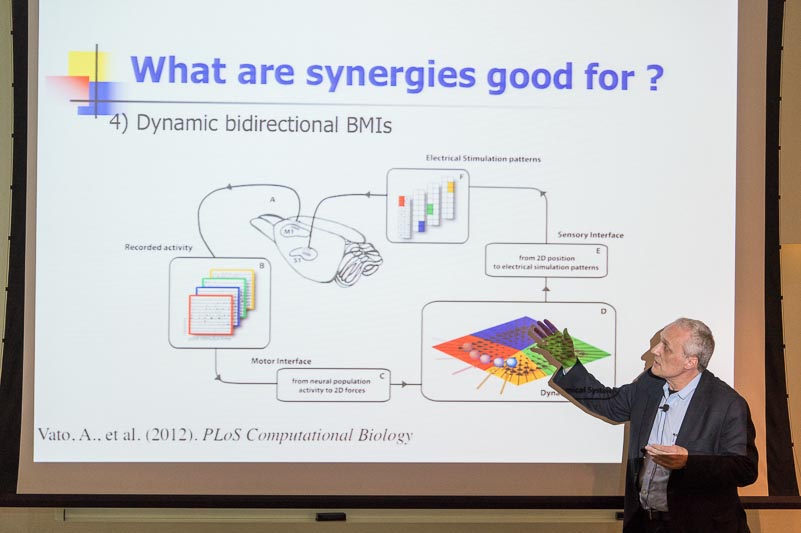
The annual McGovern Institute symposium took place on May 8, 2013 and featured nine talks on the subject of motor control and the motor cortex. In this video, Sandro Mussa-Ivaldi of Northwestern University presents his talk, entitled “Geometrical aspects of modularity in motor control, learning and brain-machine interfaces.”
Krishna Shenoy: 2013 McGovern Institute Symposium
The annual McGovern Institute symposium took place on May 8, 2013 and featured nine talks on the subject of motor control and the motor cortex. In this video, Krishna Shenoy of Stanford University presents his talk, entitled “Motor cortical control and prostheses: a dynamical systems perspective.”
Bob Wurtz: 2013 McGovern Institute Symposium
The annual McGovern Institute symposium took place on May 8, 2013 and featured nine talks on the subject of motor control and the motor cortex. In this video, Bob Wurtz of the NIH presents his talk, entitled “Adding corollary discharge to motor computations for action and perception.”
Tamar Flash: 2013 McGovern Institute Symposium
The annual McGovern Institute symposium took place on May 8, 2013 and featured nine talks on the subject of motor control and the motor cortex. In this video, Tamar Flash of the Weizmann Institute presents her talk, entitled “Geometry, time and compositionality in movement representations.”
Larry Abbott: 2013 McGovern Institute Symposium
The annual McGovern Institute symposium took place on May 8, 2013 and featured nine talks on the subject of motor control and the motor cortex. In this video, Larry Abbott of Columbia University presents his talk, entitled “Network Models of Motor Cortex.”
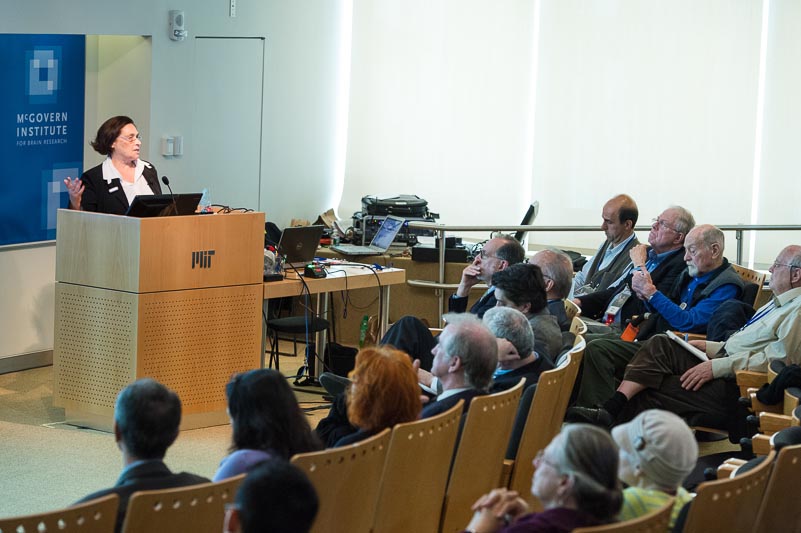
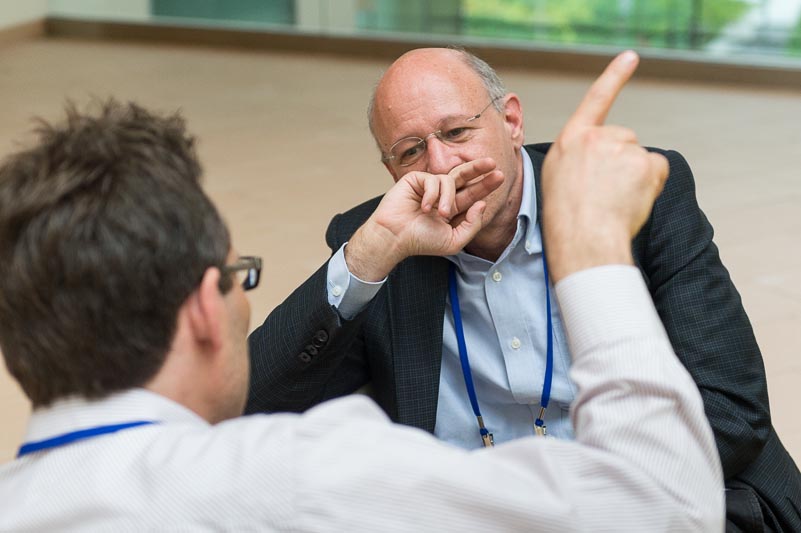
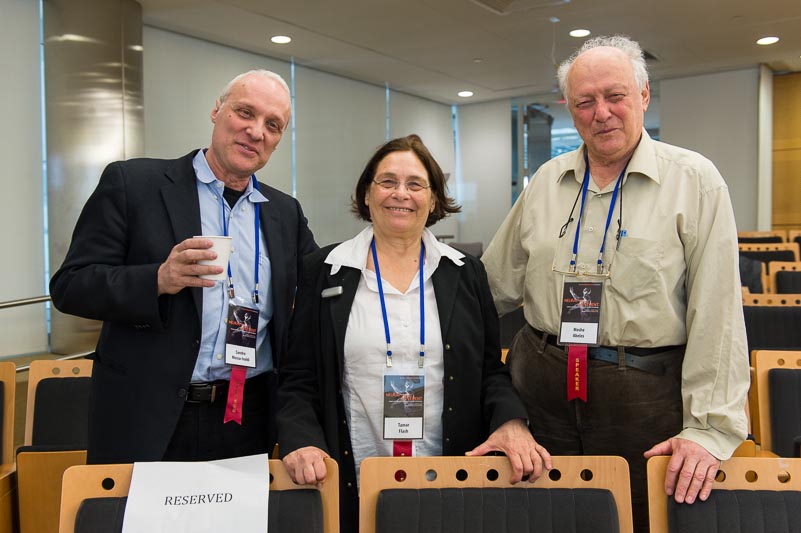
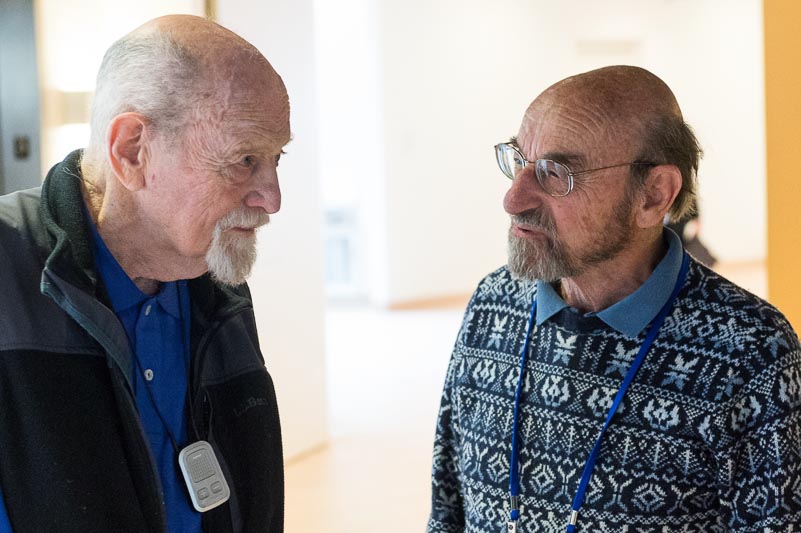
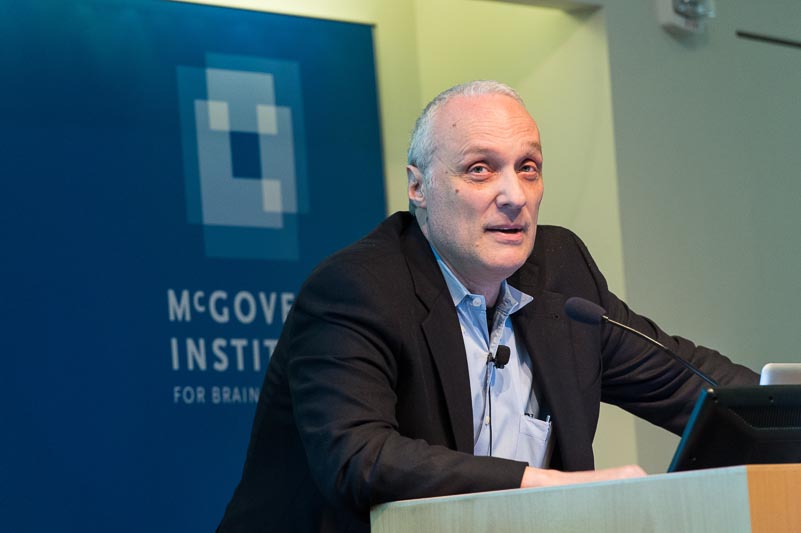
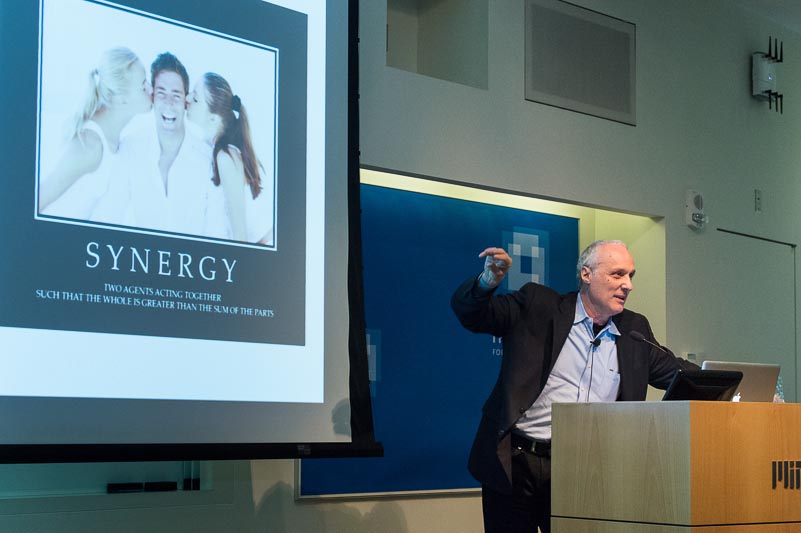
2013 McGovern Institute Symposium
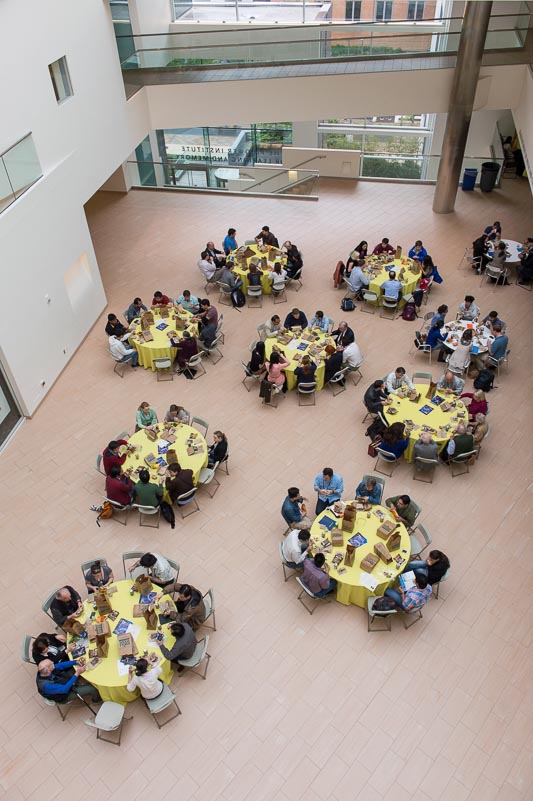
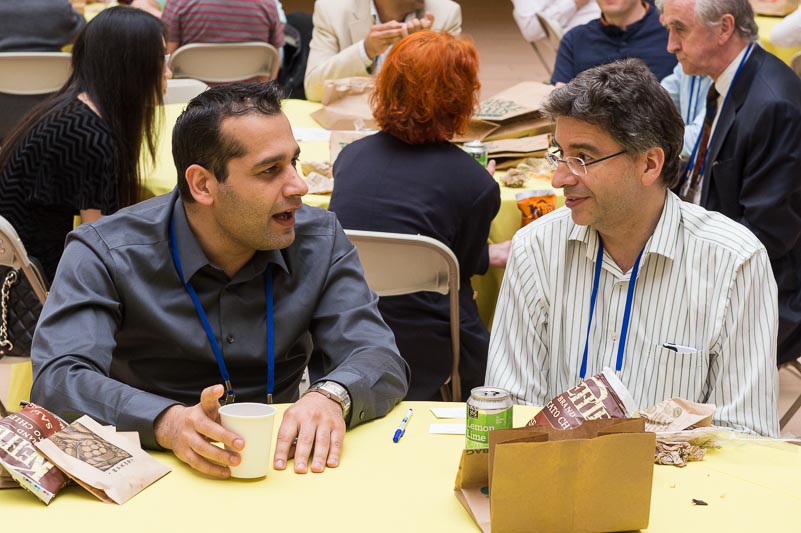
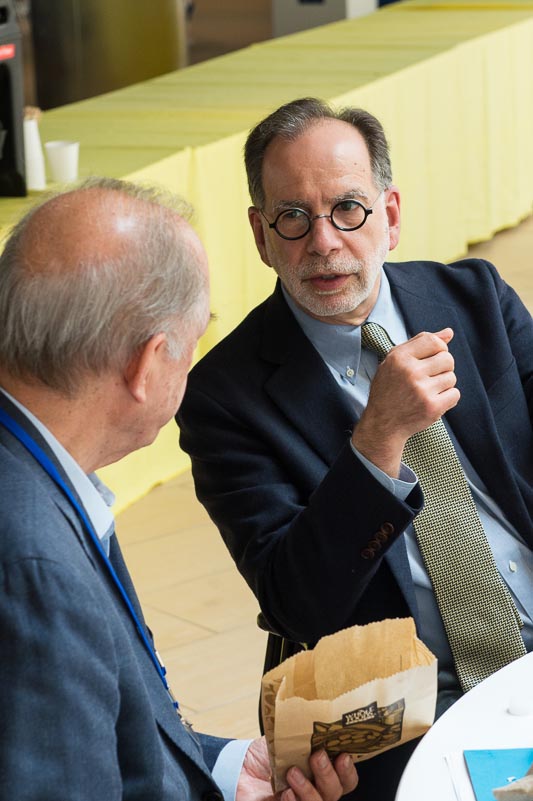
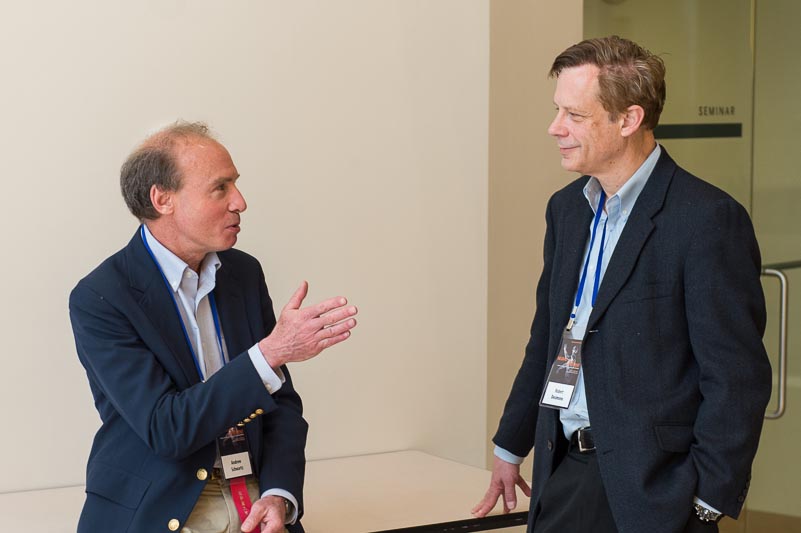
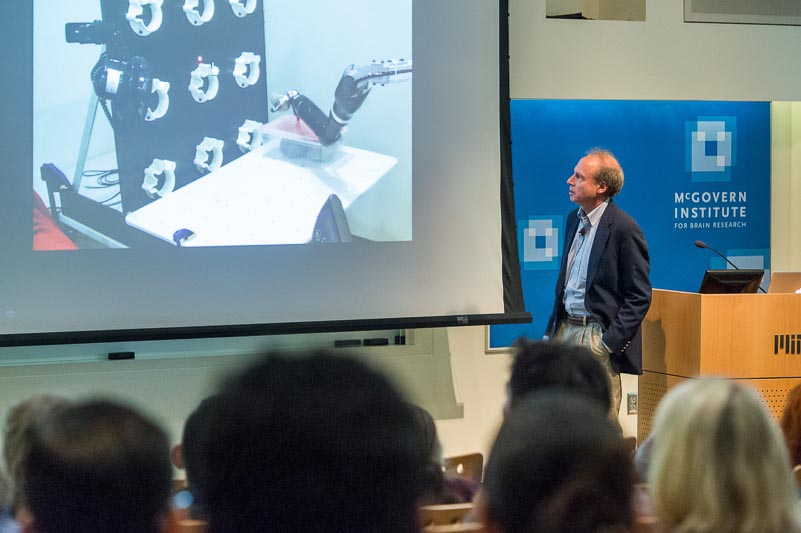
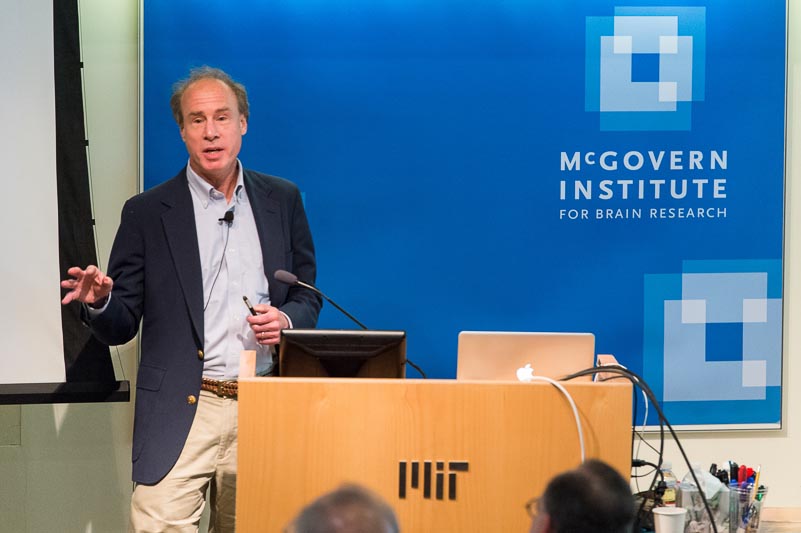
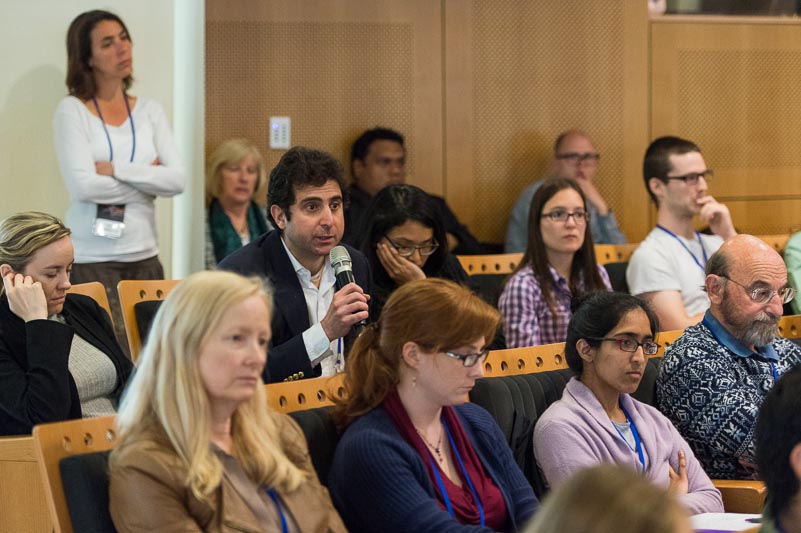
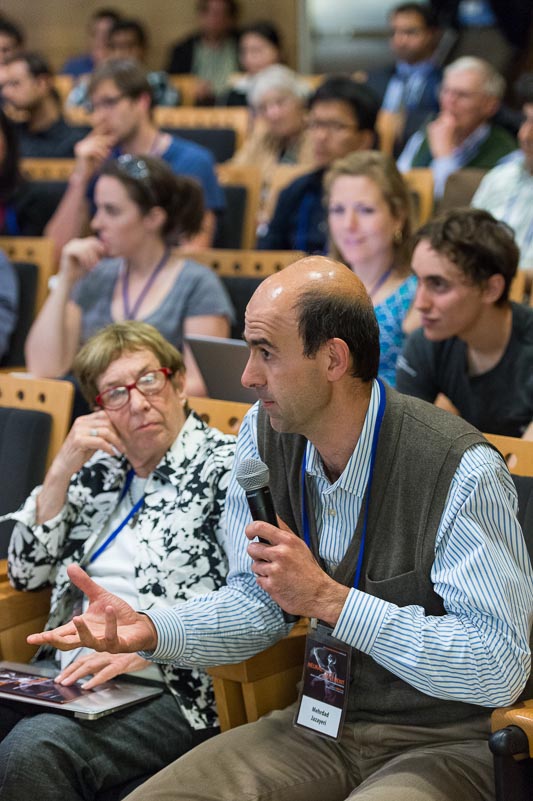
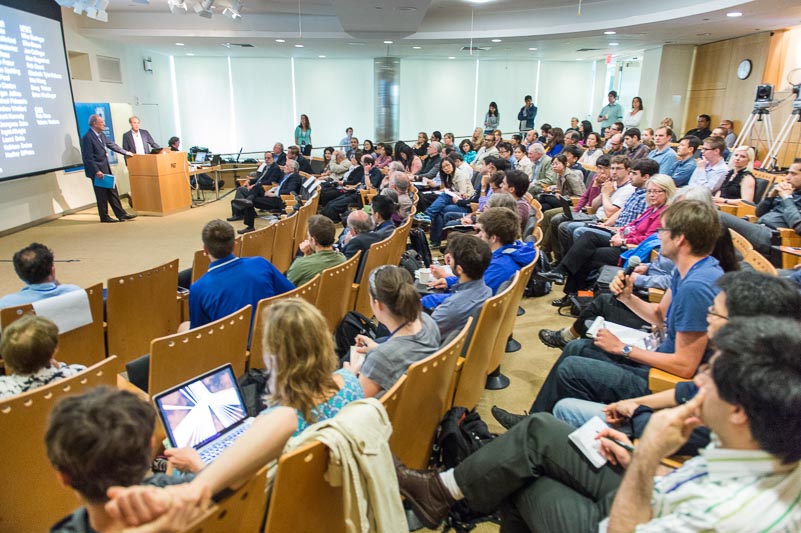
The annual McGovern Institute symposium, which took place on May 8, 2013, featured nine talks on the subject of motor control and the motor cortex. Motor commands represent the output of the brain and its evolutionary raison d’être. To produce useful movements the brain must select appropriate combinations of muscles from a vast range of possibilities, and must activate them with precise control of force and timing.
This symposium explored how the brain accomplishes this task: what computations does it perform to control movement, how and where in the brain does this happen, and how can this knowledge be exploited for rehabilitation and for the development of neural prosthetics.



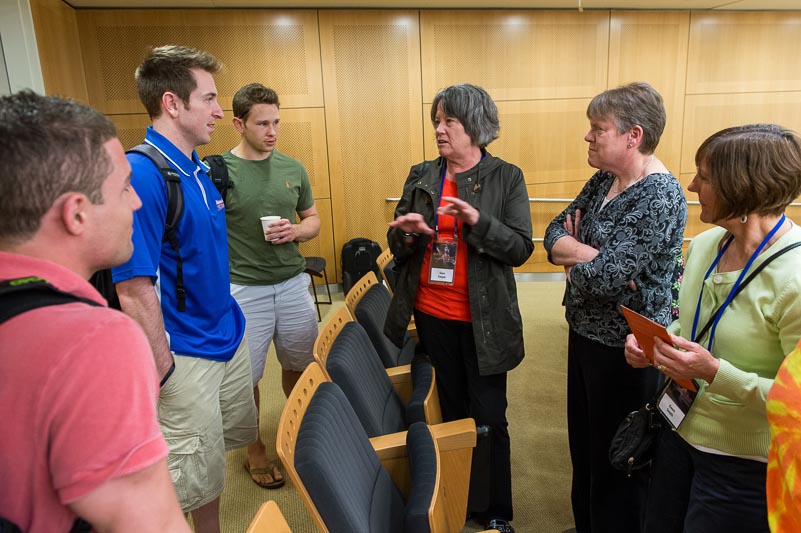
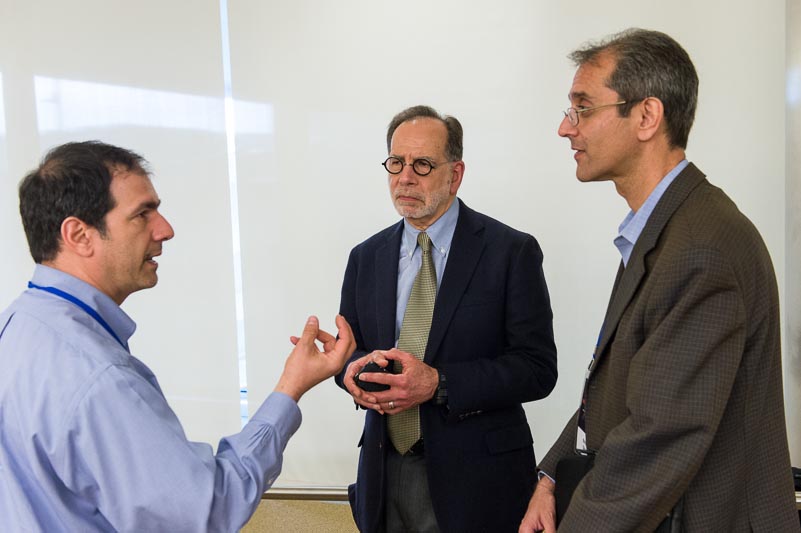




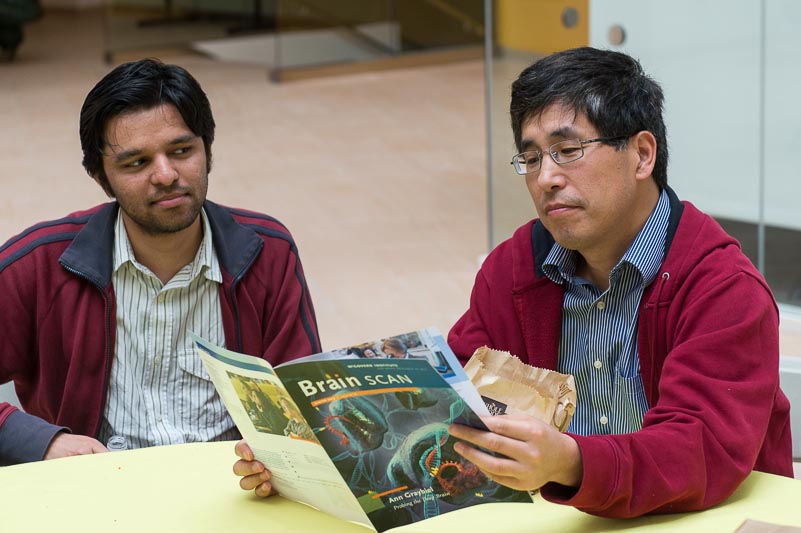










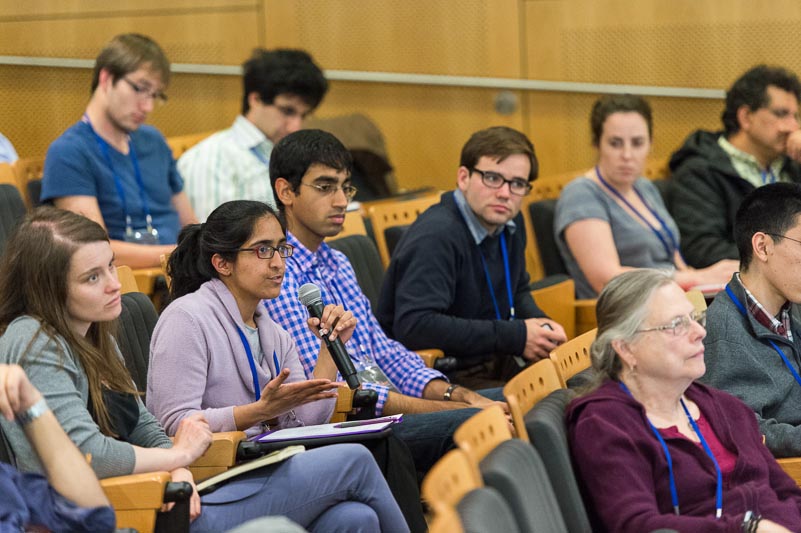
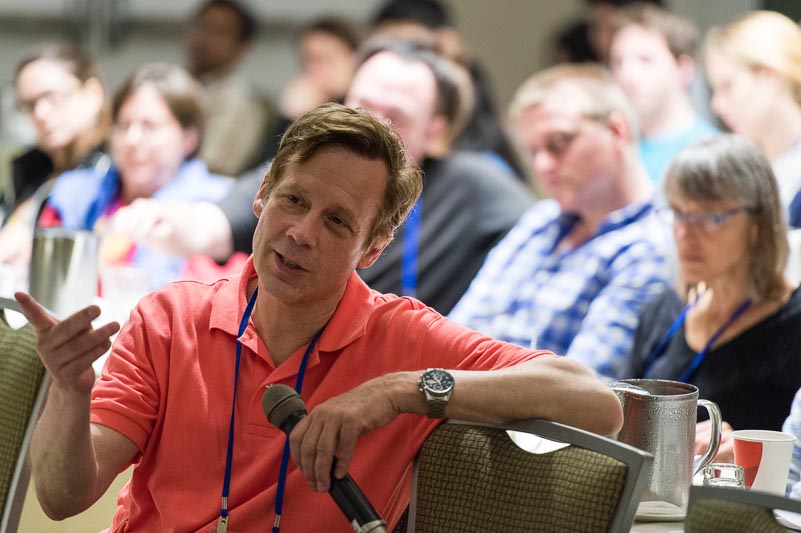
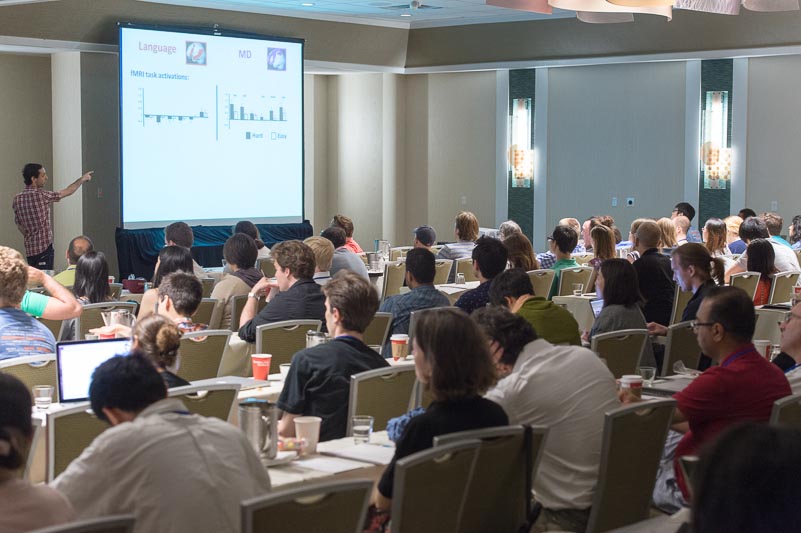
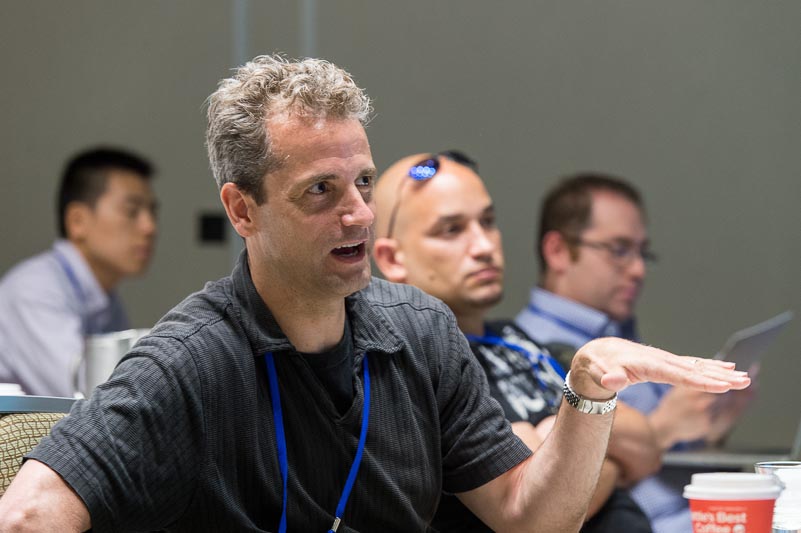
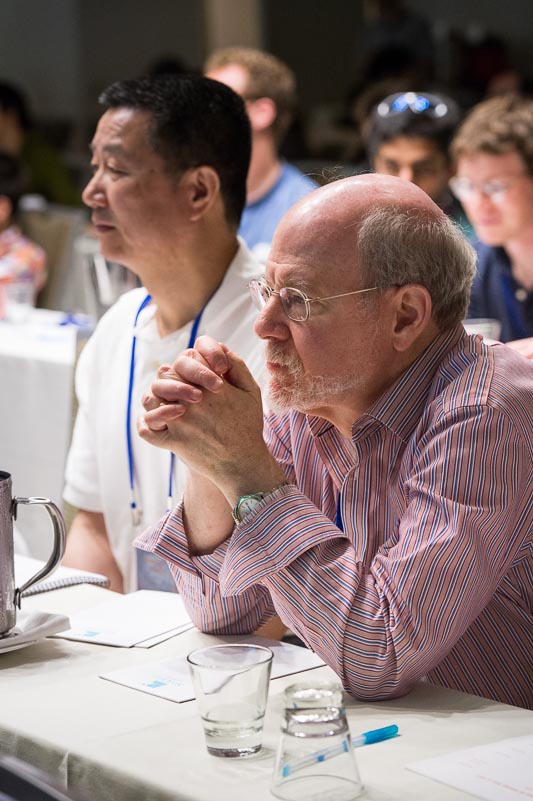
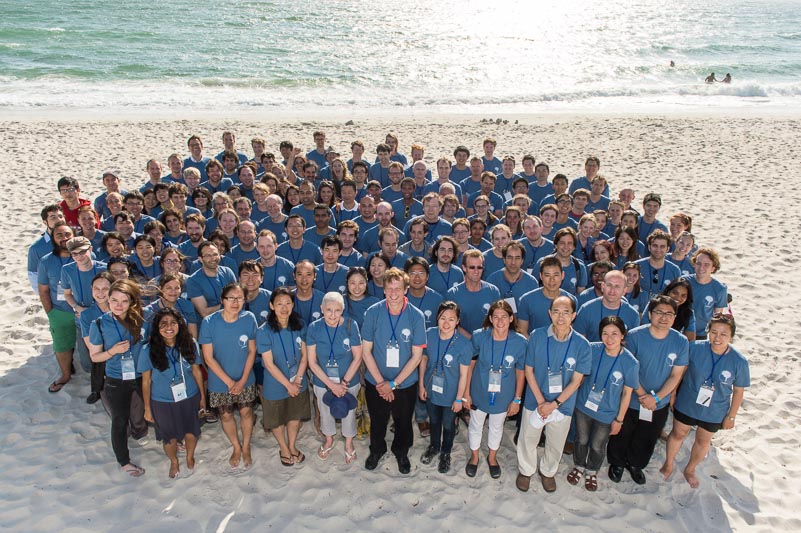
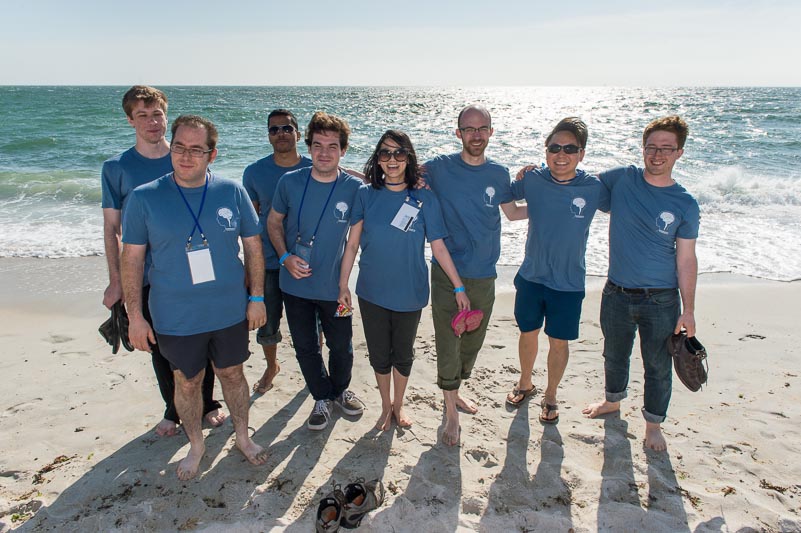
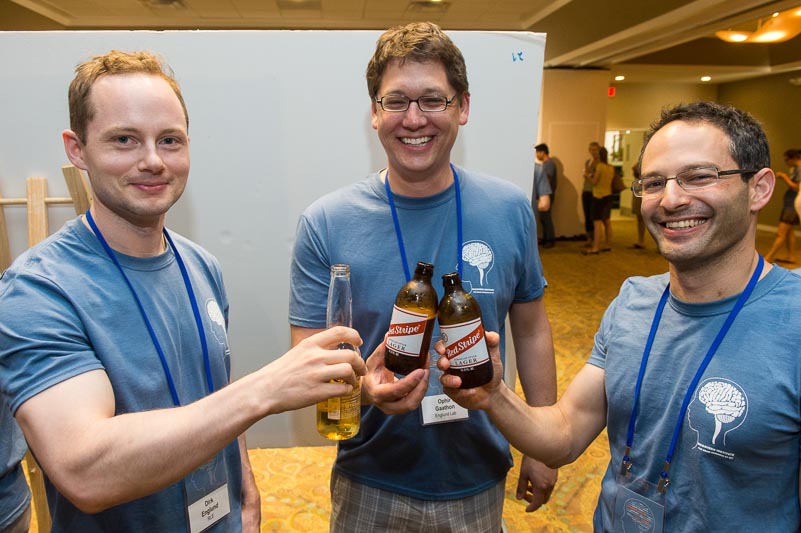
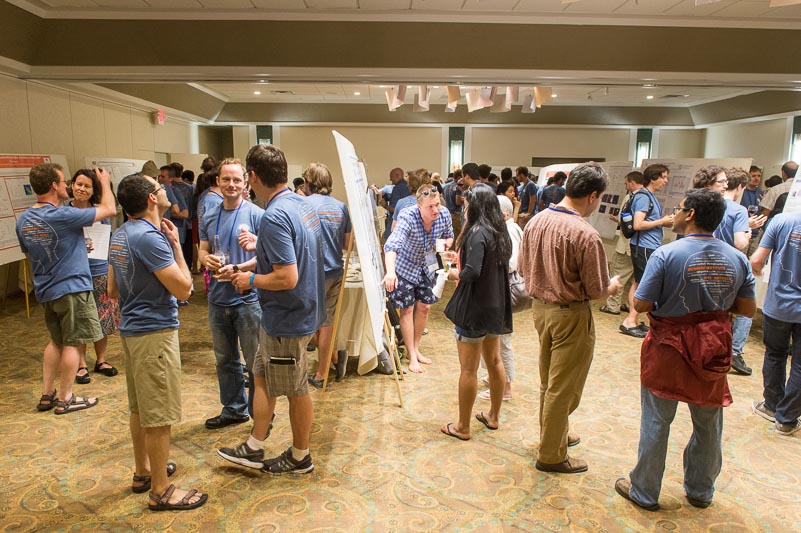
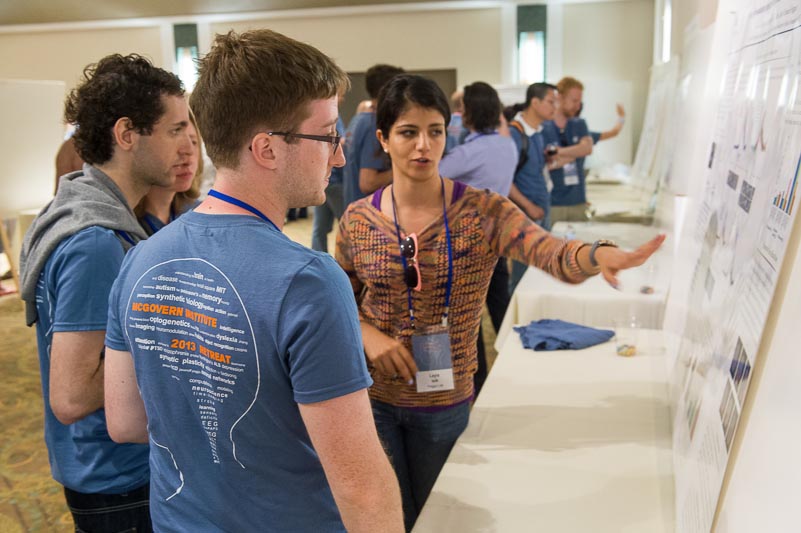
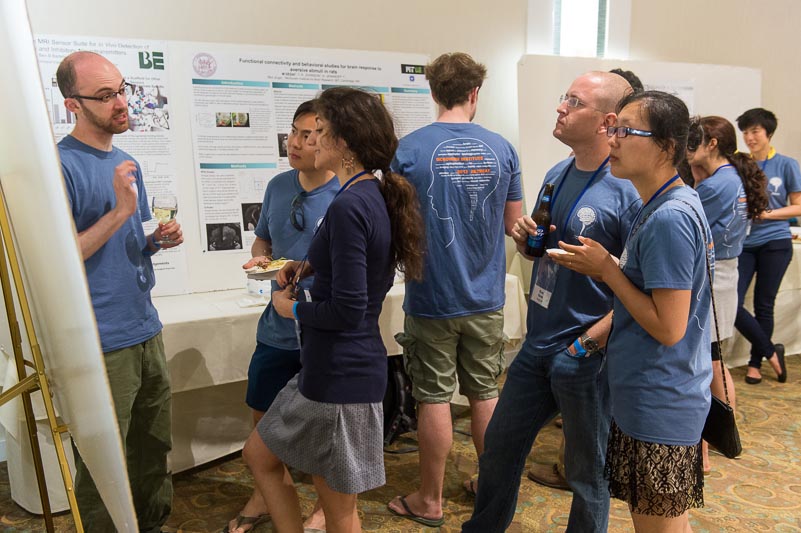
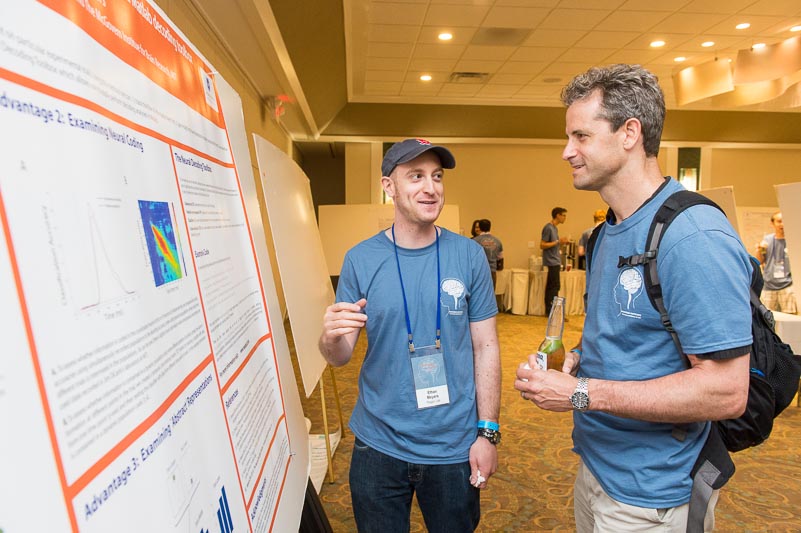
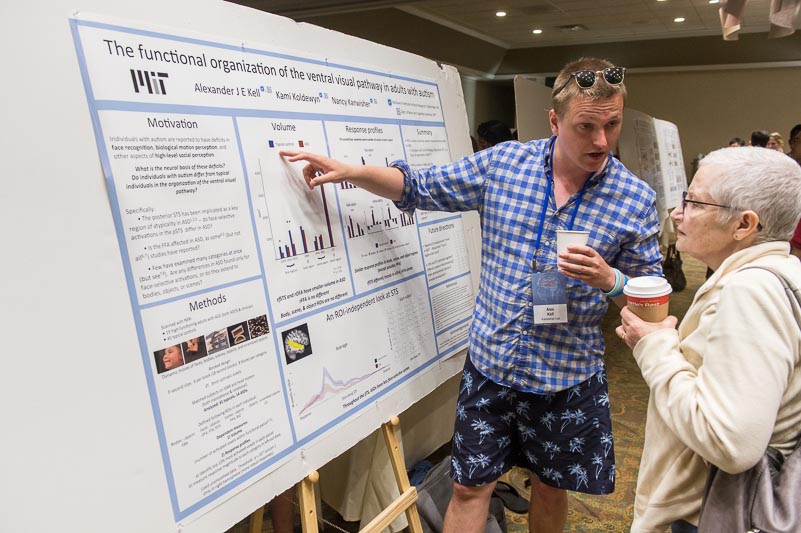
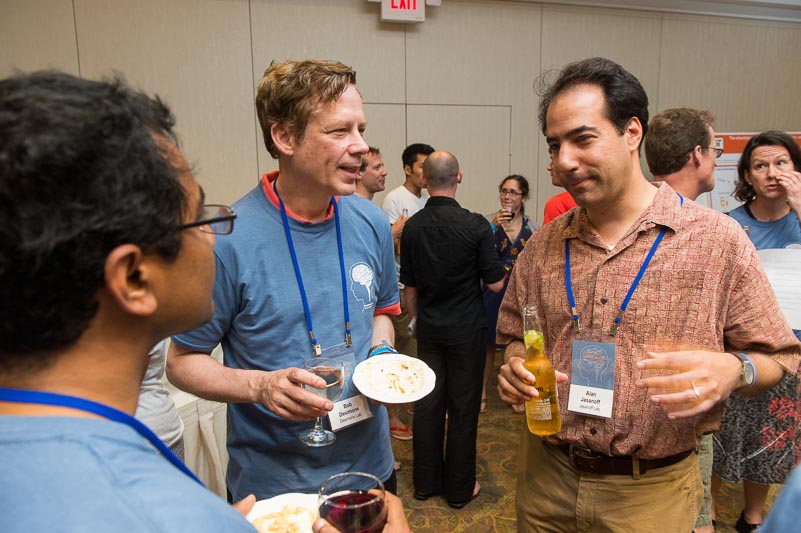
2013 McGovern Institute Retreat





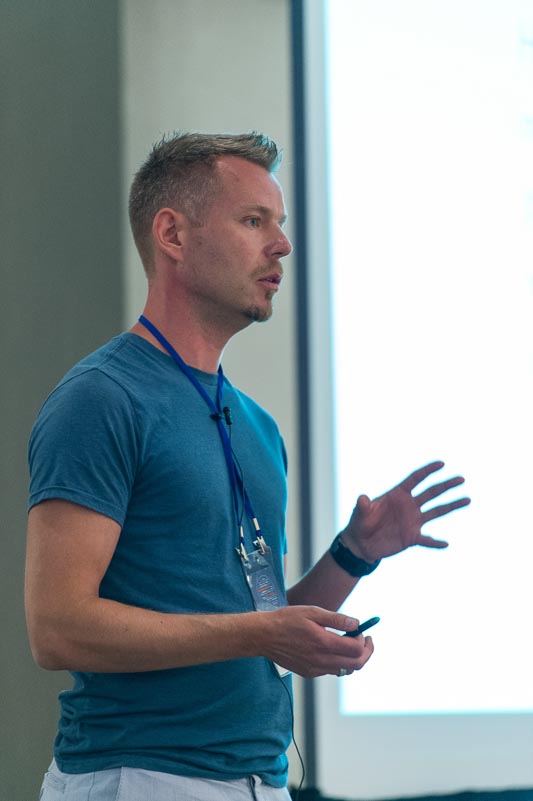
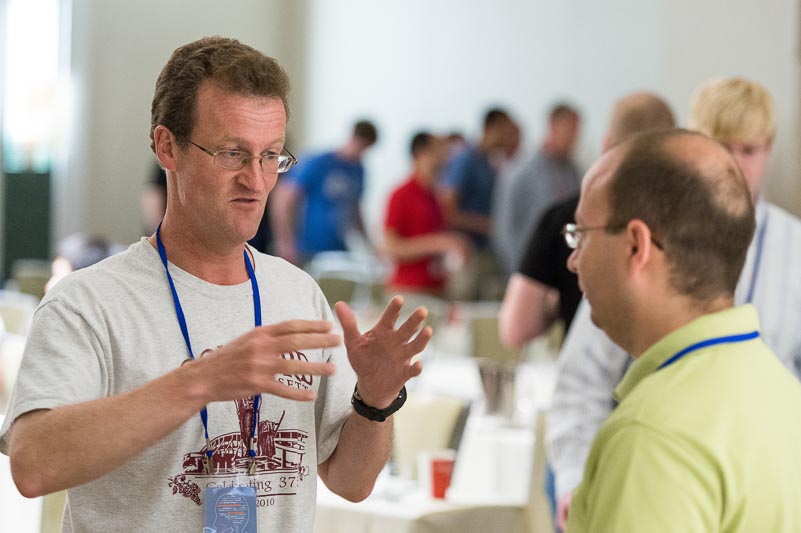
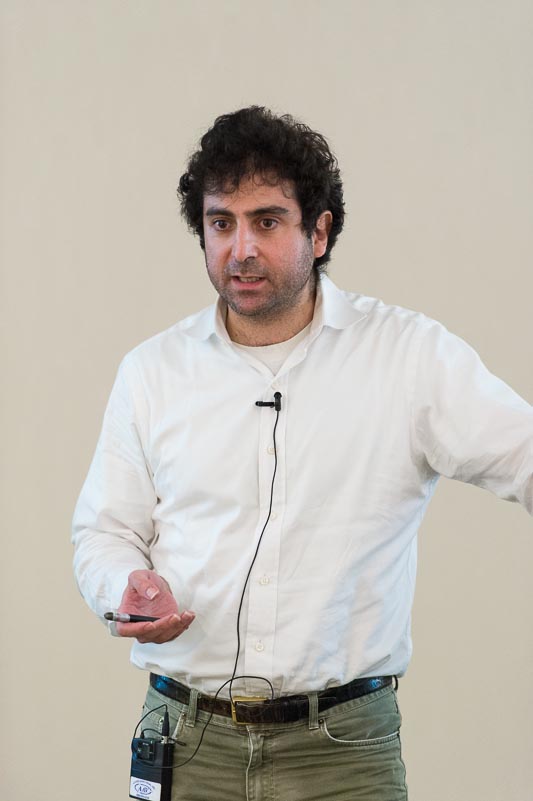




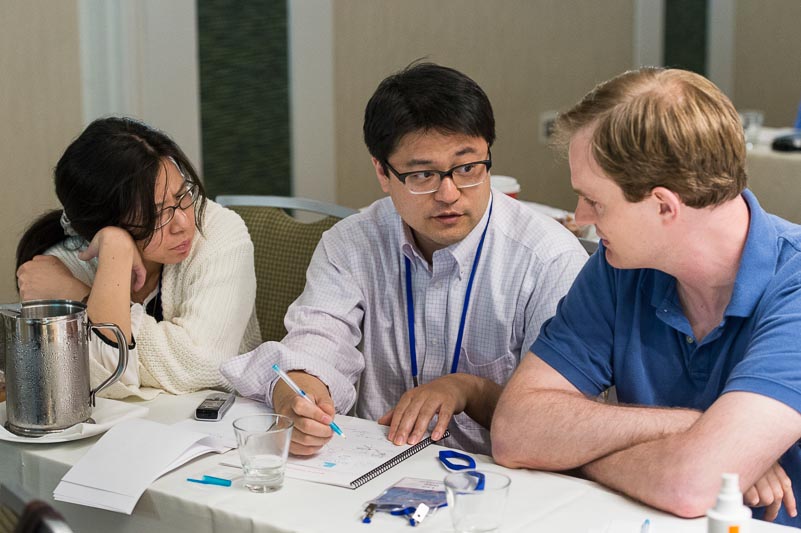


























Compulsive no more
By activating a brain circuit that controls compulsive behavior, researchers in Ann Graybiel‘s lab have shown that they can block a compulsive behavior in mice — a result that could help researchers develop new treatments for diseases such as obsessive-compulsive disorder (OCD) and Tourette’s syndrome. Read the story >>
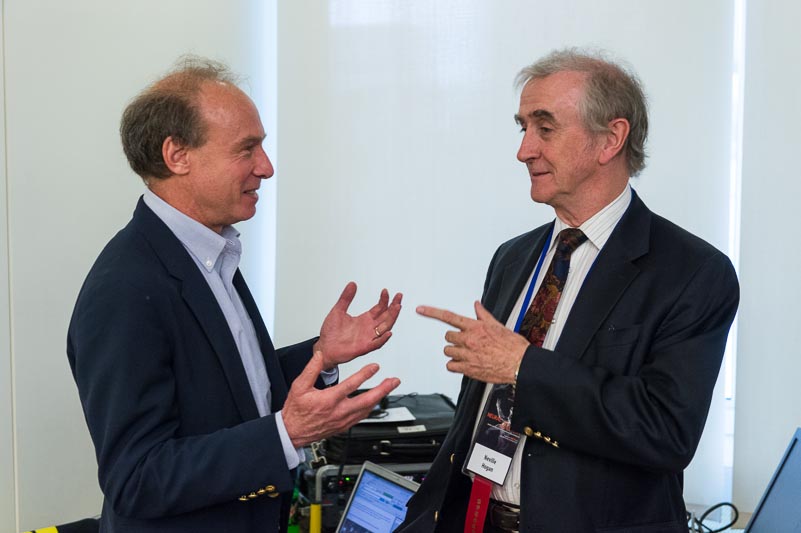
Neville Hogan: 2013 McGovern Institute Symposium
The annual McGovern Institute symposium took place on May 8, 2013 and featured nine talks on the subject of motor control and the motor cortex. In this video, Neville Hogan of MIT presents his talk entitled, “Modular dynamics in motor control and neuro-rehabilitation.”